Woodz Cycling is reader-supported. When you buy through links on our site, we may earn an affiliate commission at no extra cost to you. As an Amazon Associate we earn from qualifying purchases.
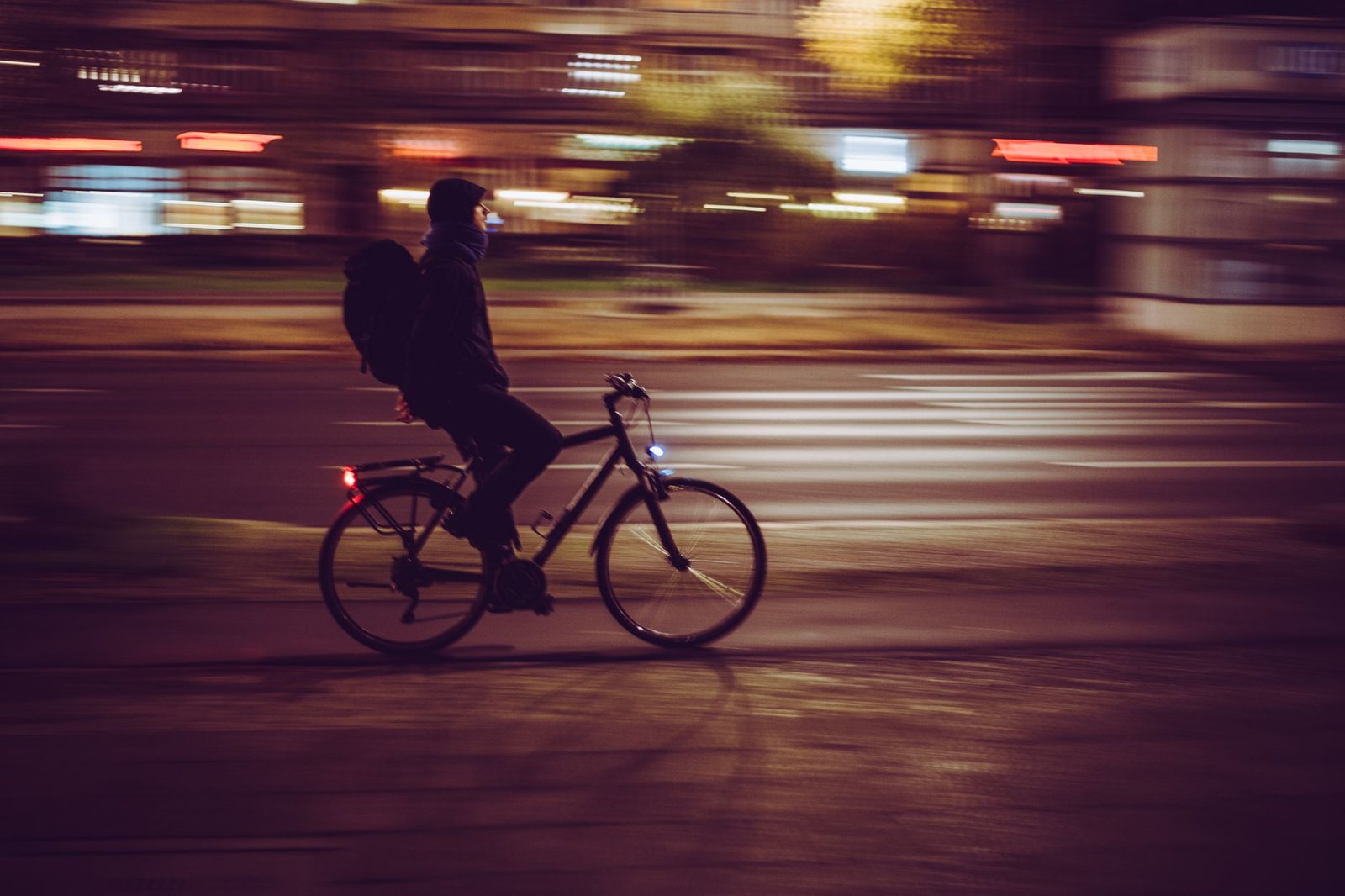
Every fall the same thing happens: the clocks change, the ride home is suddenly in the dark, and thousands of commuters buy whichever light set has the most stars and the biggest lumen number. Some of those lights are excellent. Many are the wrong tool for the route.
This guide works the other way around. Start with where and when you ride, then choose a front and rear light that fit. Our picks are based on manufacturer specifications, Amazon buyer data and the patterns in customer feedback, not on claims of personal testing.
Key takeaways
- Decide first whether you need to be seen (lit streets) or to see by (unlit roads).
- Treat the tail light as seriously as the headlight; most traffic overtakes you from behind.
- Hard mounts, a proper water-resistance rating and honest runtime figures matter more than peak lumens.
- Run a flashing rear light in daytime on busy roads, and a steady front beam on shared paths.
Our commuting light picks
- 1
Best headlight for dark routes
NiteRider Lumina OLED Boost 1200Up to 1,200 lumens, a wide collimator beam and an OLED screen that shows remaining runtime in actual time.
Read our review · Check price → - 2
Best daytime tail light
Cygolite Hypershot 350350-lumen flashes that buyers say stay visible in bright daylight, adjustable flash speed and a hard mount.
Read our review · Check price → - 3
Best value headlight
Cygolite Metro series USB headlightUp to 1,100 lumens in a 150 g body, with SteadyPulse for night and DayLightning flash for daytime visibility.
Check price → - 4
Best budget set
Ascher USB Rechargeable Bike Light SetA cheap, tool-free front and rear set for lit city streets and as a backup.
Read our review · Check price → - 5
Best for traffic awareness
Garmin Varia RTL515 radar tail lightA tail light with rearview radar that alerts you to vehicles up to 153 yards behind, on a phone or compatible Garmin device.
Check price →
Start with your route: be seen or see by
There are two different jobs a bike light can do, and the right light depends on which one you need.
A be-seen light makes sure drivers, pedestrians and other riders notice you. On streets that are already lit, that is the whole job, and a 200-400 lumen headlight with a flash mode does it well. The Ascher USB light set is a good example of a capable be-seen set at a budget price.
A see-by light has to illuminate the road far enough ahead for you to spot potholes, glass and curbs in time. On a dark country road, a riverside path or a park with no lighting, that typically takes 600 lumens or more, and 1,000 or more if you ride fast. A good beam shape matters as much as the number: a wide, even spread lights the edge of the road, not just a hot spot in the middle.
Many commutes include both. If a 20-minute ride has a five-minute unlit stretch, buy for the unlit stretch. Our explainer on understanding lumens for cycling lights covers the thresholds in more detail.
The tail light deserves real money
Most commuters spend their budget on the headlight and treat the rear light as an afterthought. That is backwards. On most roads, the traffic that poses the biggest risk is coming up from behind you, often faster than you, and the driver’s only cue is your rear light.
At night, a modest 50-100 lumen rear light is visible from a long way. In daylight it is a different problem: you are competing with the sun, glare and a busy background. That is why many experienced road riders now run a bright flashing rear light on every ride.
The Cygolite Hypershot 350 is our pick for this job. Its 350-lumen flashes are designed for daytime visibility, a second button lets you adjust the flash speed and steady brightness, and it holds a 4.6-star average across 1,709 ratings. If you want more than light, the Garmin Varia RTL515 adds rearview radar that warns you of approaching vehicles.
Features that matter more than peak lumens
Mounting. Silicone straps are quick and fit almost anything, but they can let a light droop or slip over rough roads. Hard mounts hold the angle better and are less likely to shake loose. Whatever you buy, make sure it unclips easily: lights left on a parked bike tend to disappear.
Water resistance. Look for an IP rating. IPX4 means splash-resistant, which covers a typical shower. IP64 adds dust-tightness to the same splash protection, and IPX7 or IP67 means the light survives temporary immersion. Daily all-weather commuters should aim for the higher end.
Honest runtime. Peak output on most rechargeable lights lasts an hour or two at most. What matters is how long your usual mode lasts, and whether the light tells you when it is getting low. The NiteRider Lumina OLED Boost 1200 shows remaining runtime on a small screen, which is useful on long dark rides. NiteRider also states its output and runtime are FL1 tested, an industry standard that makes the figures more trustworthy than the inflated lumen claims common on unbranded lights.
Charging. USB charging is now standard. USB-C is more convenient if your other devices use it; several well-reviewed lights still use older connectors, and buyers notice.
Beam courtesy. A powerful round beam can dazzle oncoming riders and drivers. Angle the headlight down toward the road and drop to a lower mode on shared paths.
Matching lights to your commute
Lit city commute, mostly after work. A budget set such as the Ascher is enough to make you visible. Add a brighter rear light if you share fast multi-lane roads with traffic.
Mixed suburban route with unlit sections. Pair a see-by headlight in the 800-1,200 lumen class with a bright rear light. The Cygolite Metro series offers up to 1,100 lumens in a lighter package; the NiteRider Lumina OLED adds the runtime screen. Either pairs well with the Hypershot 350.
Rural roads or long commutes in winter. Prioritize the headlight’s beam and runtime: you need to see the road edge, potholes and wildlife. A light that tells you exactly how long it will last is worth paying for here. A second, cheap backup light in your bag costs little and saves a long walk.
Busy daytime road riding. Run a bright flashing tail light on every ride, even in summer. A radar tail light is the premium option for riders on fast roads, but a well-chosen flashing light is the essential part.
Batteries, care and a few habits
Rechargeable lights are reliable when looked after. Charge new lights fully before the first ride. Avoid leaving them flat for weeks, which can shorten battery life. Dry the lights and their charging ports before plugging them in after a wet ride.
Check your mounts weekly, especially on rough or cobbled routes, and test both lights before setting off. Buyer reviews across every price level mention lights that loosened or failed after a few months, so register your lights and keep the receipt in case you need to make a warranty claim.
Finally, lights are one part of being visible. Reflective details on your ankles and bag, sensible road positioning and predictable signaling all help. Our tips on staying safe on two wheels cover the rest.
The short version
If you only ride lit streets, buy a good-value be-seen set and spend what you save on a better tail light. If any part of your commute is dark, buy a proper see-by headlight such as the NiteRider Lumina OLED Boost 1200 or the Cygolite Metro. And whatever your route, take the rear light as seriously as the front: the Cygolite Hypershot 350 is the one we would put on most commuter bikes.
Frequently asked questions
How many lumens do I need for commuting?
On lit city streets, a 200-400 lumen headlight with a flash mode is enough to be seen. On unlit roads or paths, look for 600 lumens or more, and 1,000+ if you ride fast or on trails. For the rear, 50-100 lumens works at night, while daytime visibility on busy roads benefits from 200 lumens or more.
Should my lights flash or stay steady?
A flashing rear light is more noticeable, especially in daylight. At the front, many riders use a steady beam at night so they can see and so others can judge their speed and distance, sometimes combined with a pulse mode. Local laws vary, so check the rules where you ride.
Are bike lights legally required?
In most US states and many countries, a white front light and a red rear reflector or light are required when riding at night. The details, such as minimum visibility distance, differ by location.
How often should I charge commuting lights?
It depends on mode and battery, but get into a routine, such as charging every weekend or whenever the indicator shows low. A light with a runtime readout, like the NiteRider Lumina OLED, takes much of the guesswork out.